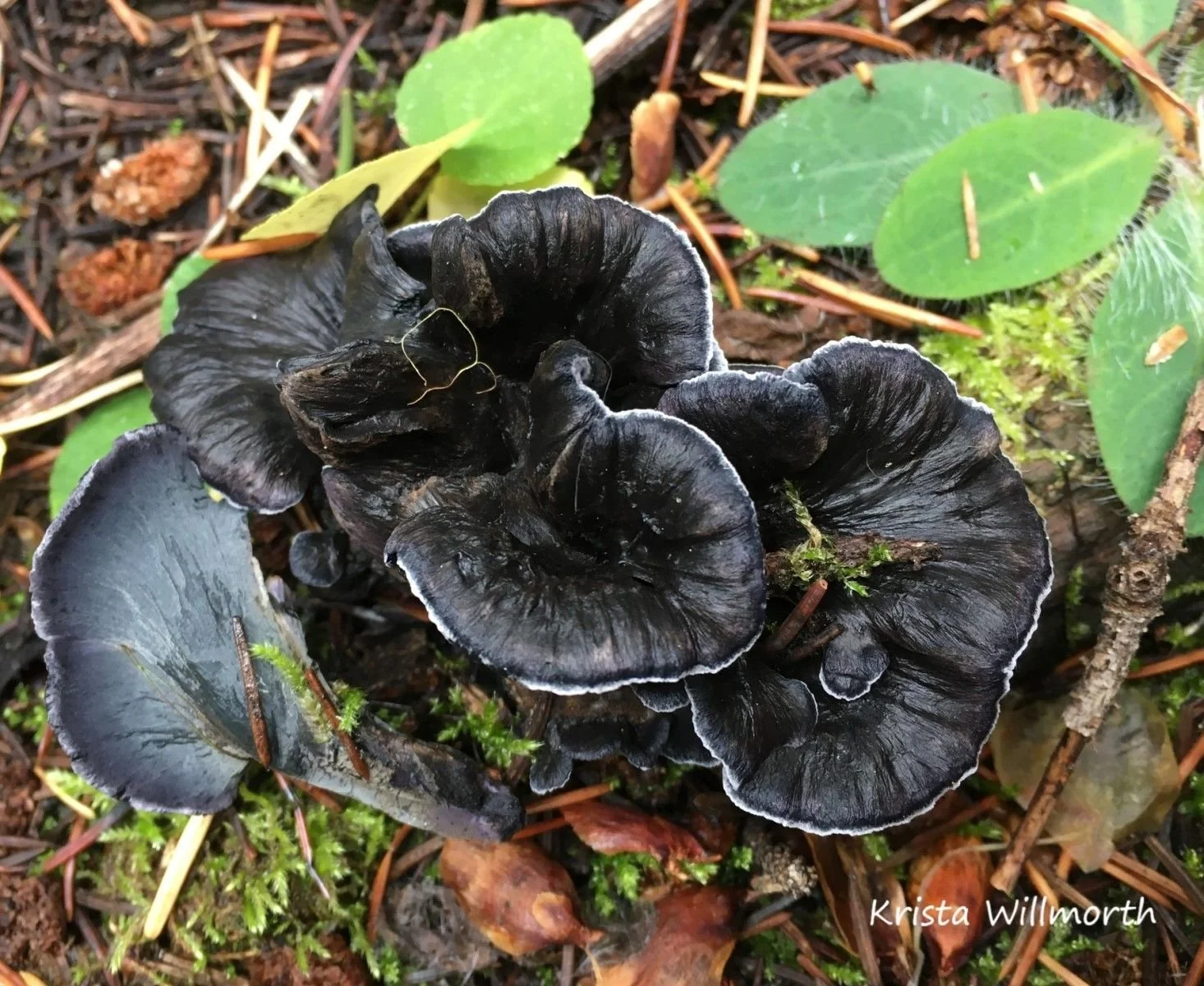
More than a database—an evolving scientific record exploring, documenting, and refining the fungal biodiversity of Intermountain Idaho.
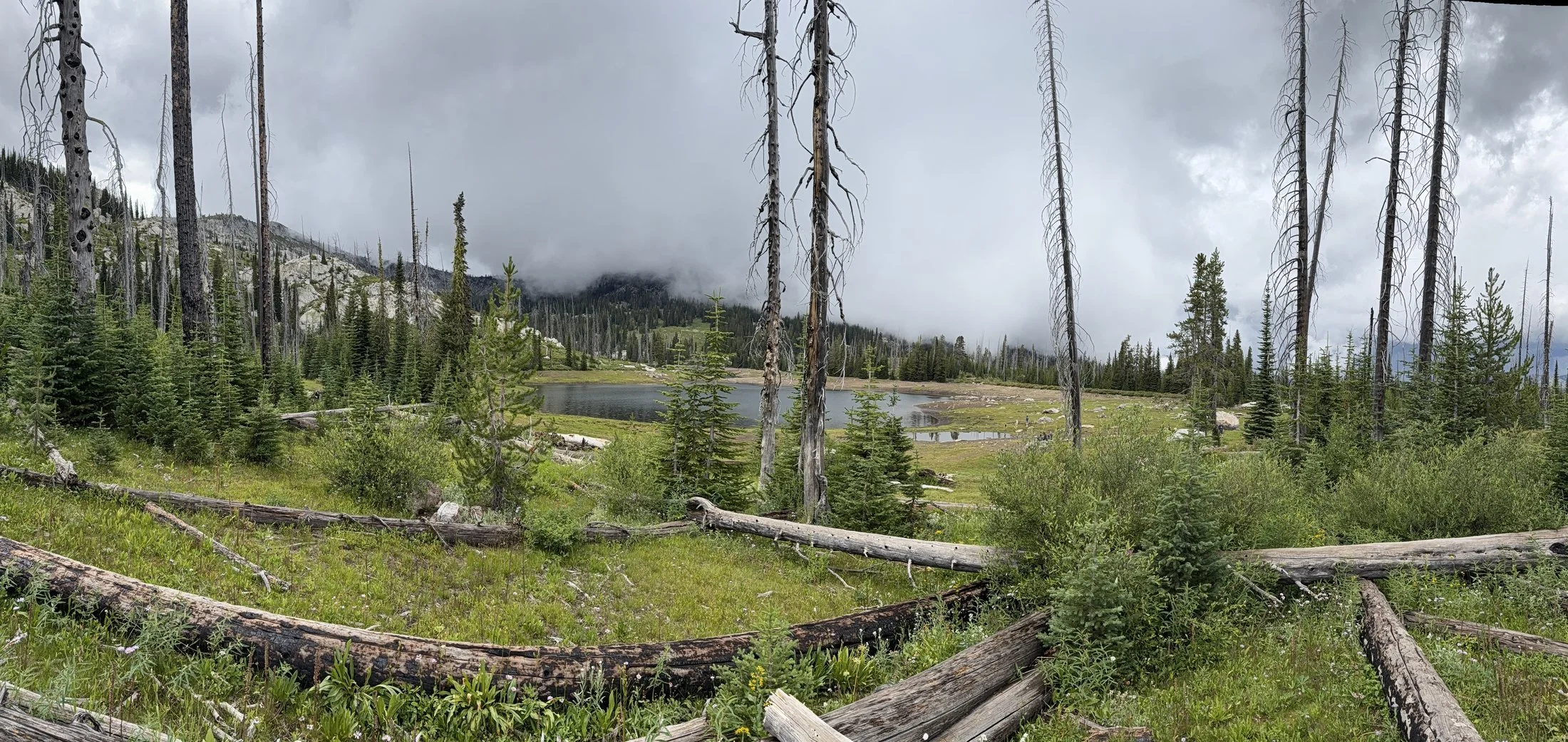
Twin Lakes, above Brundage Reservoir, near McCall, Idaho
ABOUT
Fungi of Intermountain Idaho is an independent mycological initiative dedicated to documenting the fungal diversity of Interior Idaho through the integration of historical collections, contemporary field observations, and DNA-informed species concepts. Focused on the region broadly defined here as Intermountain Idaho, the project seeks to build an evolving regional framework that contributes to a broader understanding of fungal diversity across western North America.
At its core is a continuously expanding mycological database built from historical herbarium collections, regional foray records, and modern community science platforms such as iNaturalist, Mushroom Observer, Alpental and Mycomatch. These records are progressively reviewed, curated, and refined through the combined use of field observations, published literature, and molecular evidence, including ITS-based DNA sequencing informed by resources from Mycota Lab and MycoMap.
This website brings together the project’s interactive reports, species concepts, historical context, and supporting datasets in one place. Through linked Microsoft Power BI reports, downloadable DNA sequence files, reference documents, pictures, and external resources, visitors can explore more than a century of fungal records from Interior Idaho.
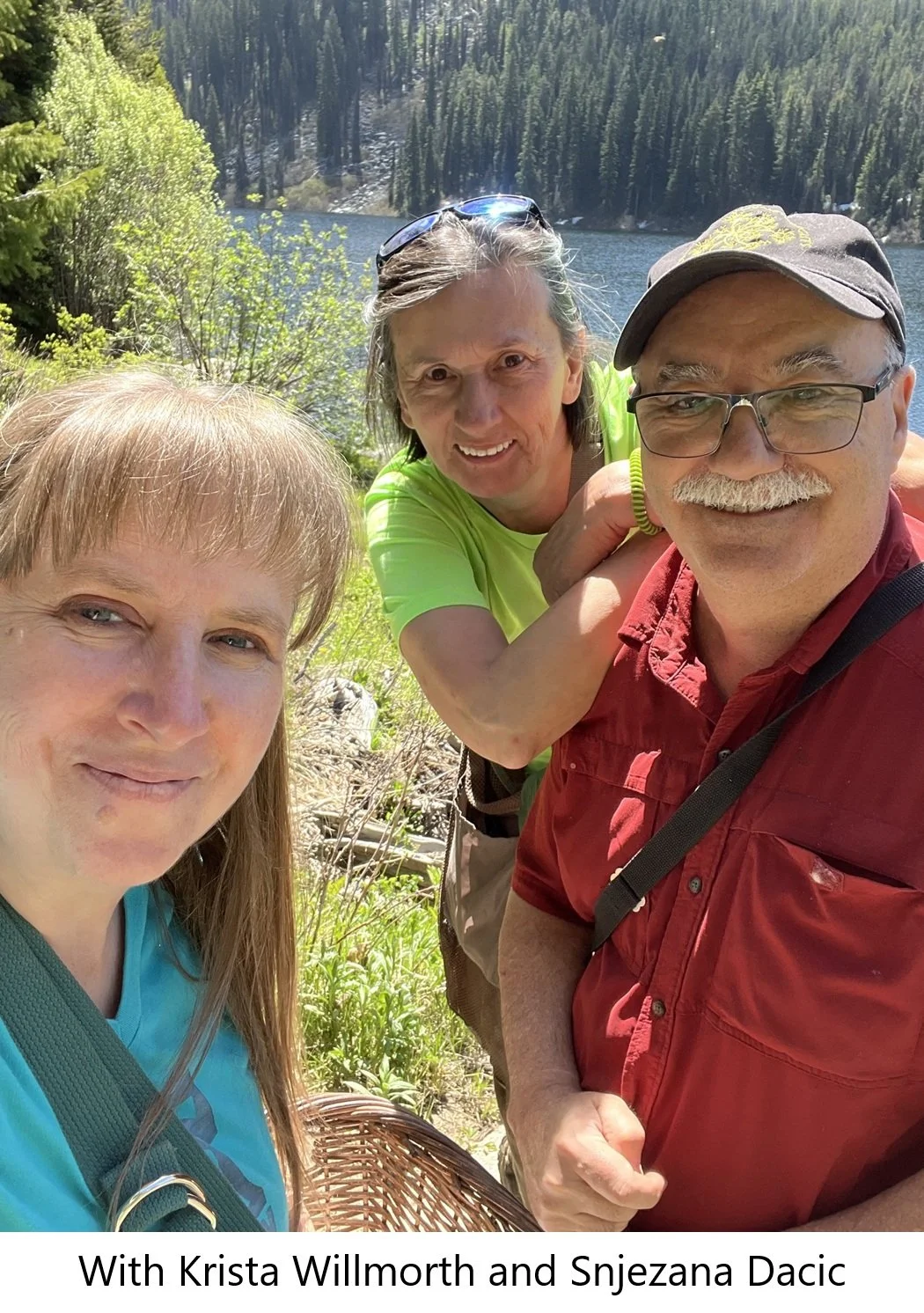
The project is compiled, curated, and editorially directed by Joe Matanzas, with website development assistance from Krista Willmorth. Special acknowledgment is given to Robert Chehey, and to the Southern Idaho Mycological Association, for foundational contributions to regional field records.
Data Stewardship
The interactive Microsoft Power BI reports presented on this website are derived from a continuously refined database developed in Microsoft Access. While the public reports provide broad access to the project’s collections, species concepts, and molecular records, the underlying database retains additional editoria detail, expanded filtering capabilities, reporting functions, and more precise locality information used in ongoing research and editorial review.
This project is intended as a long-term scientific resource. Its underlying database and editorial framework are being developed with future continuity in mind, allowing for eventual transfer of stewardship as new contributors continue the documentation and interpretation of the fungal diversity of Intermountain Idaho.