Fungi of Intermountain Idaho
From the shrublands to the subalpine forests
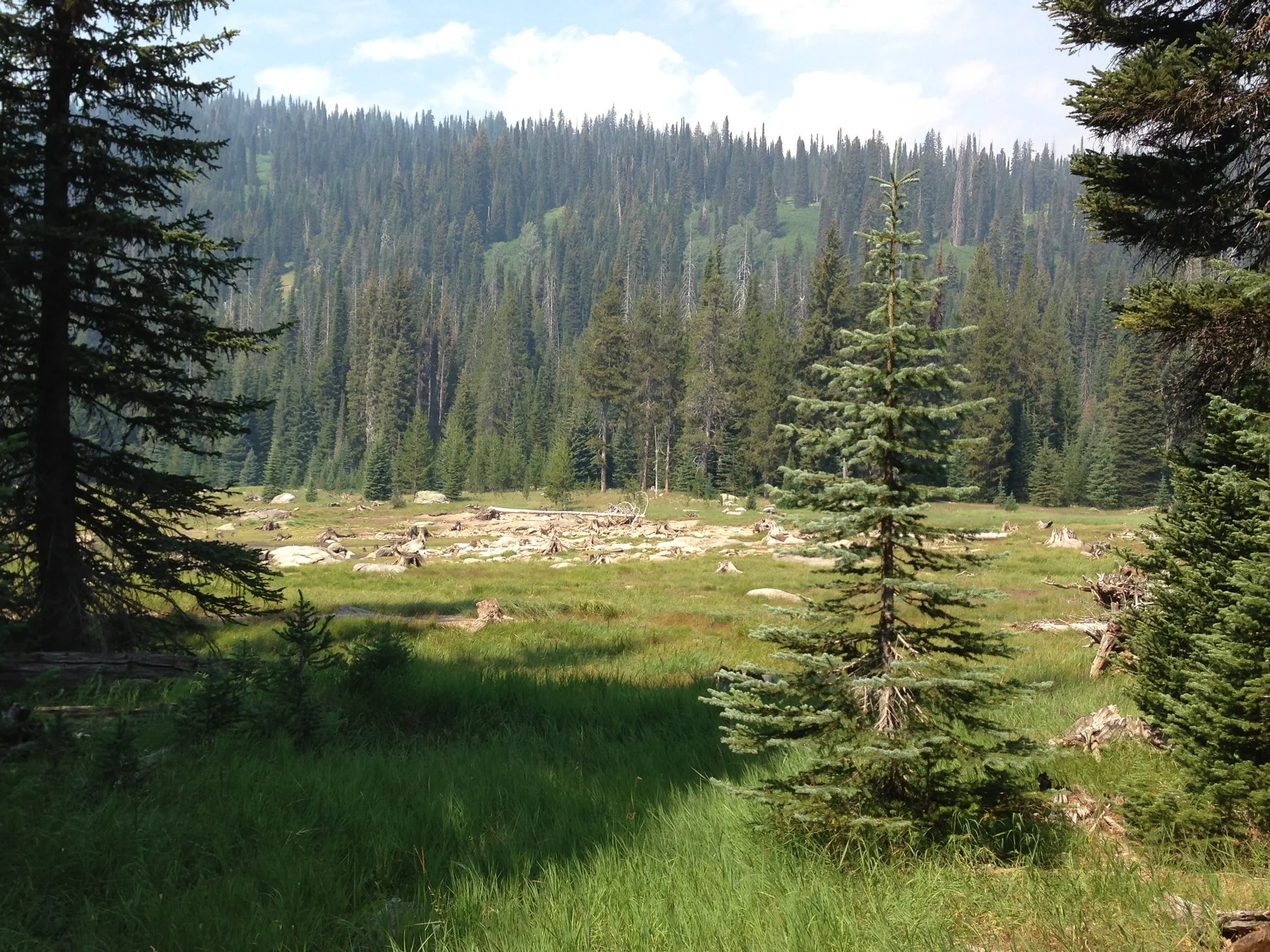
Brundage reservoir, above McCall
Project Introduction
Welcome to Fungi of Intermountain Idaho, an ongoing effort to document, interpret, and better understand the fungal diversity of Interior Idaho through more than a century of collections, field observations, and DNA-informed species research.
This website brings together interactive Microsoft Power BI reports, curated species concepts, historical records, photographs, and molecular data into a single regional framework. Visitors can explore fungal records across time and geography, examine provisional and established species concepts, and access supporting resources including DNA sequence files, reference documents, and external databases.
The project focuses on Intermountain Idaho, broadly defined here as Idaho excluding the Panhandle, and reflects an ongoing effort to connect historical mycology with contemporary field work and modern molecular tools.
As new collections are studied, sequences are generated, and species concepts evolve, this resource will continue to grow—serving both as a regional archive and as a contribution to the broader understanding of fungal diversity across western North America.
Area & Scope
Geographic Framework: Intermountain Idaho
For the purposes of this project, Intermountain Idaho refers to the majority of the state lying south of the Idaho Panhandle. For practical purposes, the northern boundary follows the Selway River and Clearwater River systems, extending just south of Lewiston. All areas south of this line—including central, eastern, and southern Idaho—are included within this framework, including areas that remain only lightly documented historically.
The designation Intermountain Idaho reflects the shared landscapes and ecological continuity found across much of the region—from mountain ranges, high-desert systems, and intermountain basins to mixed conifer and subalpine forests—distinct in many ways from the wetter forest ecosystems of northern Idaho.
(A Note on Northern Idaho)
Northern Idaho has a rich and influential mycological history of its own. Early workers such as James W. Weir, Alexander H. Smith, J. L. Lowe, and W. B. Cooke described numerous species from that region, including important type collections. Later contributors, including E. E. Tylutki, Orson K. Miller Jr., Robert L. Gilbertson, and Kit Scates Barnhart, further expanded its documented diversity.
Its more limited treatment within this project reflects a deliberate regional focus, not the scientific importance of its landscapes, collections, or contributors.
Already familiar with Idaho’s collecting history?
Jump to interactive reports. ↓
CHRONOLOGICAL COLLECTOR GROUPS
The documented fungal history of Intermountain Idaho spans more than a century of evolving scientific approaches. Over time, methods of discovery, documentation, and species interpretation have changed significantly—from early scientific exploration and field collecting to modern molecular analysis and interactive data visualization. Understanding this progression provides important context for interpreting the records and species concepts presented throughout this project.
Group 1. Earliest Idaho Fungal Collectors (1880–1900)
The earliest preserved fungal records from Idaho grew out of late-19th-century scientific exploration rather than intentional mycological study. Collectors such as E. Wilcox, a geologist involved in survey work; F. Henderson, a botanist associated with the University of Idaho; and A.A. Heller and G.S. Heller (husband and wife, both botanists) encountered fungi while documenting the region’s flora. A small number of additional collectors are represented by isolated material.
Most surviving vouchers from this period consist of plant-associated fungi, particularly rusts, mildews, and smuts such as Puccinia, Erysiphe, and Ustilago, collected alongside the plants they infected. These records are largely tied to low-elevation and human-influenced landscapes, plains, settlement corridors, and cultivated areas, reflecting the botanical and agricultural priorities of the time rather than a deliberate effort to document fungal diversity across intact forest systems.
Despite their incidental origin, these specimens now form the earliest verifiable physical record of fungi in Idaho. They established a documented baseline that later, more intentional mycological work would greatly expand.
Group 2: Early Professional Mycologists in Idaho (1901-1934)
Between 1900 and 1934, fungal collecting in Idaho became more intentional and professionally directed. Unlike the earlier botanical period, this phase was shaped by federal forestry priorities, academic taxonomy, and the growing field of forest pathology.
Idaho’s extensive commercial forests, particularly white pine and other conifers, made the state an important focus for disease investigation. The U.S. Forest Service and USDA assigned specialists to survey rusts, root diseases, heart rots, decay fungi, and pathogens associated with bark beetle activity, problems that directly affected timber resources. Within this framework, James R. Weir, G.G. Hedgcock, Ernest E. Hubert, Arthur S. Rhoads and others conducted systematic collections across Idaho’s forested regions, producing the earliest structured documentation of forest pathology fungi in the state
At the same time, Idaho’s mountainous terrain and inland cedar–hemlock forests were increasingly recognized as biologically rich and comparatively undocumented. Calvin Henry Kauffman, a University of Michigan taxonomist, visited Idaho during western collecting expeditions focused on North American agarics. His collections from central and northern Idaho contributed significantly to early western agaric taxonomy and help establish the region as an important field area for systematic study.
The University of Idaho also emerged during this period as a regional center for botany and forest pathology. Charles R. Stillinger, based there, collected fungi as part of broader studies of northern Idaho’s flora, representing one of the earliest sustained, Idaho-based academic efforts in mycology.
By 1930, fungal collecting in Idaho had shifted from incidental preservation to organized scientific documentation, anchored in forestry, taxonomy, and institutional research, a clear departure from the exploratory work of the previous era.
Group 3 — The Golden Era of Western Morphological Taxonomy (1935–1975)
During the mid-twentieth century, western North American mycology entered a period of sustained taxonomic synthesis largely shaped by the work of Alexander H. Smith. Idaho, with its diverse and comparatively underexplored fungal habitats, became one of the regions where this morphology-based system found full expression. Field expeditions to the Inland Northwest brought together a network of closely associated mycologists whose collaborative collecting efforts would go on to shape modern western agaric taxonomy.
Working in concert with colleagues such as Howard E. Bigelow, Harry D. Thiers, David L. Largent, L.R. Hesler, D.E. Stuntz, Orson K. Miller Jr., and Nancy S. Weber, and others, Smith participated in extensive western fieldwork that produced thousands of collections. These expeditions were not isolated efforts, but part of an academically interconnected lineage strongly influenced by the Michigan-centered tradition of systematic mycology. Idaho’s cedar-hemlock forests, montane systems, and subalpine habitats became recurring field laboratories for this group.
From these collections emerged large-scale monographic treatments of agaric genera, formal species descriptions, and a sustained program of typification. About 1,000 type specimens were designated from regional material during this period and deposited in major herbaria, firmly embedding Idaho and the broader Inland Northwest within the permanent taxonomic record. The methodological foundation remained classical: careful macroscopic documentation, intensive microscopic examination, comparative study across regions, and publication in comprehensive monographs that would define genus concepts for decades.
Although individual researchers specialized in particular genera such as Clitocybe, boletes, Entoloma, Pholiota, Hygrophorus, and others, their work was deeply collaborative. Species were frequently co-collected, compared across institutions, and interpreted within a shared morphological framework. The result was not merely an accumulation of names, but the gradual construction of a coherent systematic architecture for western North American mushrooms.
A particularly notable regional contributor to this period was Ellen Trueblood, a highly productive independent collector based in the Treasure Valley. Working largely from the Nampa area, she developed a close correspondence with Smith and supplied him with numerous carefully documented specimens. Trueblood focused much of her fieldwork in Owyhee County, an arid, desert-like region of southwestern Idaho that had previously received little mycological attention. Through persistent exploration of these sagebrush and canyon landscapes she revealed an unexpectedly rich fungal flora, producing thousands of collections and contributing material that would lead to the description of multiple new species. Her work demonstrated that even the driest regions of the Inland Northwest supported distinctive fungal communities and significantly expanded the geographic scope of western taxonomic studies.
By the close of this era, Idaho was no longer a peripheral collecting ground. It had become a central contributor to species descriptions, type material, and monographic literature. The taxonomic structure established during this Golden Era of morphology would remain dominant until the methodological transition that followed in later decades.
Group 4 — The Southern Idaho Mycological Association (1976–present)
In 1976, the Southern Idaho Mycological Association (SIMA) was incorporated in order to host the Fall foray of the North American Mycological Association in Donnelly, Idaho. This event marked a turning point in regional mycology. What had previously consisted of individual or university-centered collecting efforts now took on a formal institutional structure, capable of organizing large-scale field gatherings and sustaining activity over time.
From that point forward, SIMA became the principal vehicle for coordinated field mycology in southern Idaho. With the consistent leadership and participation of Orson K. Miller Jr., along with invited and rotating mycologists serving as taxonomic authorities during forays, the organization established a stable and credible field presence. Over the ensuing decades, approximately one hundred structured forays were conducted, creating a steady pattern of seasonal documentation and geographic coverage across the region.
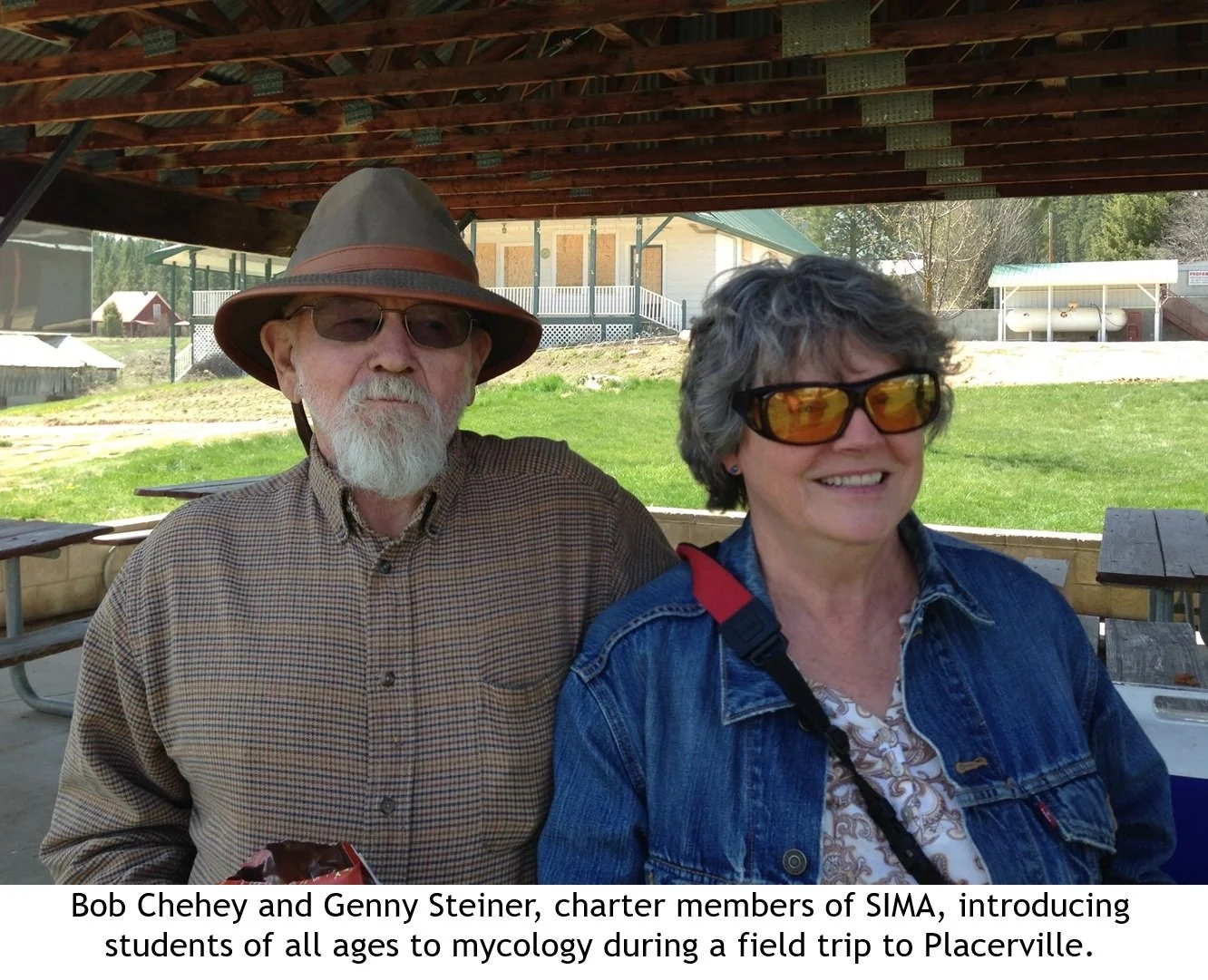
A special acknowledgment is due to Robert Chehey, one of SIMA’s founders, who has maintained the primary digital record of the association’s collections and observations over many years. His sustained effort to preserve and organize these records has made it possible to cross-reference historical species lists, reports, and field documentation, and to incorporate much of this material into the present compilation. The SIMA records represented here therefore depend in large part on the continuity of his long-term stewardship.
The emphasis remained field-based and morphology-centered, prioritizing shared expertise, repeated exploration of regional habitats, and the steady accumulation of records rather than formal monographic revision. Through continuity of leadership, recurring field sites, and intergenerational participation, SIMA helped consolidate southern Idaho’s identity as an organized center of community-driven mycology. From 1976 to the present, it has provided institutional stability and a durable framework for regional fungal documentation.
A Note on Independent Lichenological Contributions (1976-2008)
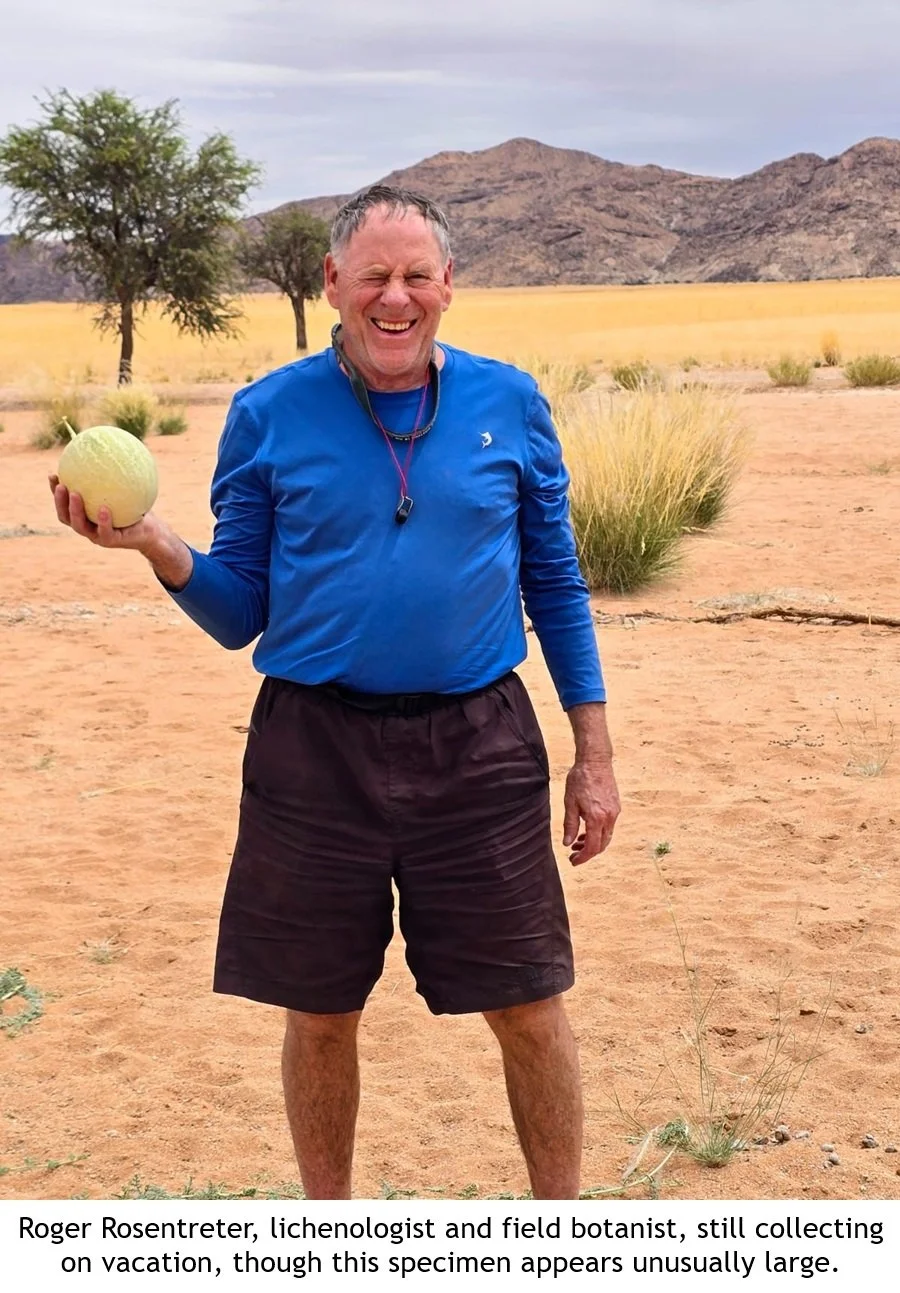
Independent lichenologists have also played a major role in documenting the region’s cryptogamic diversity. From the mid-1970s through the 2008 NAMA foray at McCall — during which a substantial number of lichens were collected — figures such as Roger Dale Rosentreter and Bruce Pettit McCune contributed thousands of collections to the regional record. A substantial portion of Rosentreter’s material, including more than 15,000 lichen specimens, is housed in the Snake River Plains Herbarium at Boise State University, forming one of the most significant regional lichen repositories. The present compilation reflects only a limited subset of this broader body of work, approximately 500 records drawn primarily from publicly accessible databases and should be understood as a partial representation rather than a measure of their overall contributions. Lichens are therefore included within this report’s scope, though they are not the primary focus of the underlying data compilation.
Group 5 — Molecular documentation and Digital Integration (2022–present)
The molecular phase of Intermountain Idaho did not begin as a single coordinated program. Its earliest efforts were exploratory and incremental.
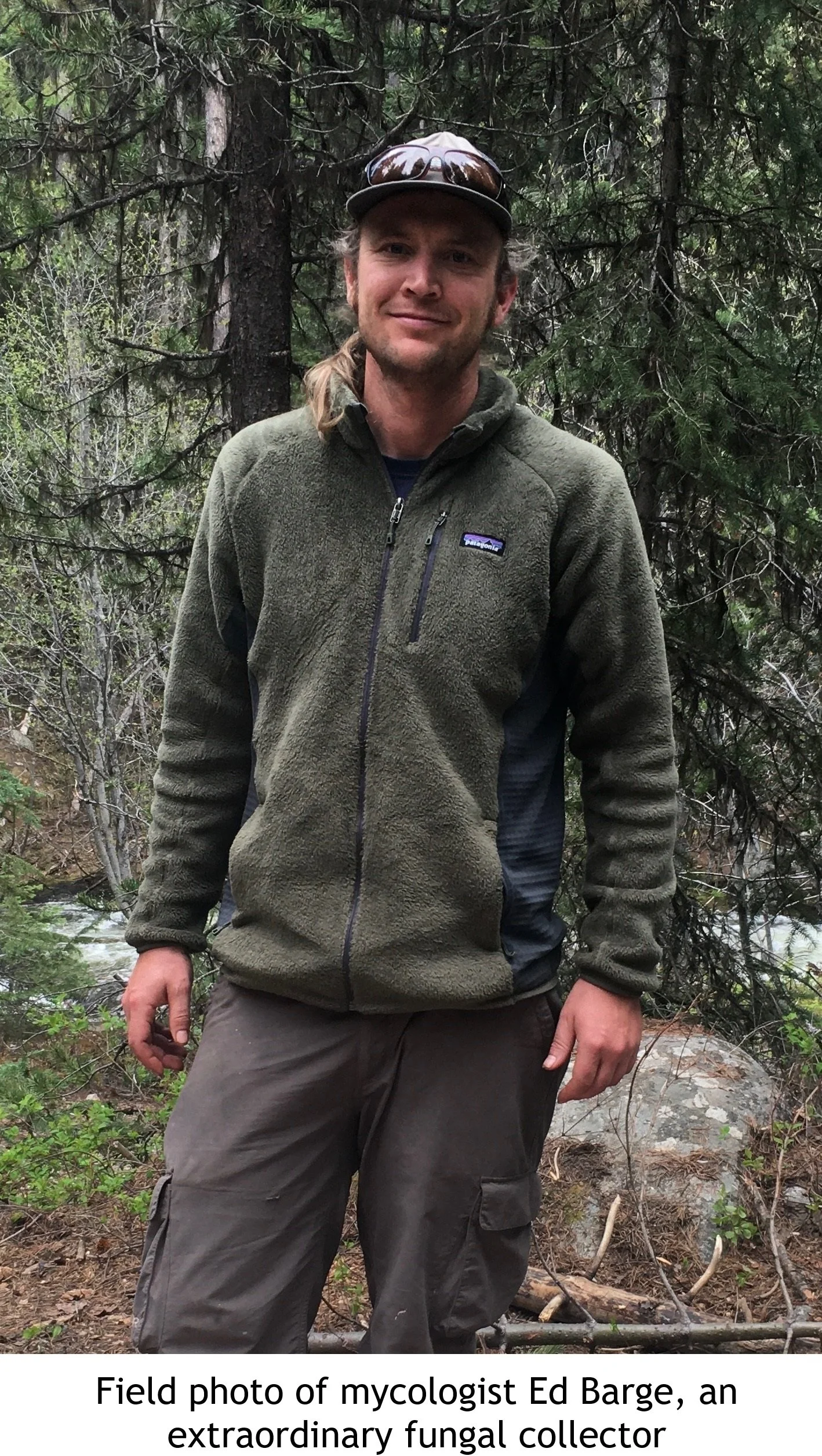
Prior to 2022, Ed Barge conducted limited sequencing on selected collections, working independently and at times through Fundis. Although sporadic, these early sequences demonstrated the value of integrating DNA data with regional field collections and helped lay the conceptual groundwork for what would follow.
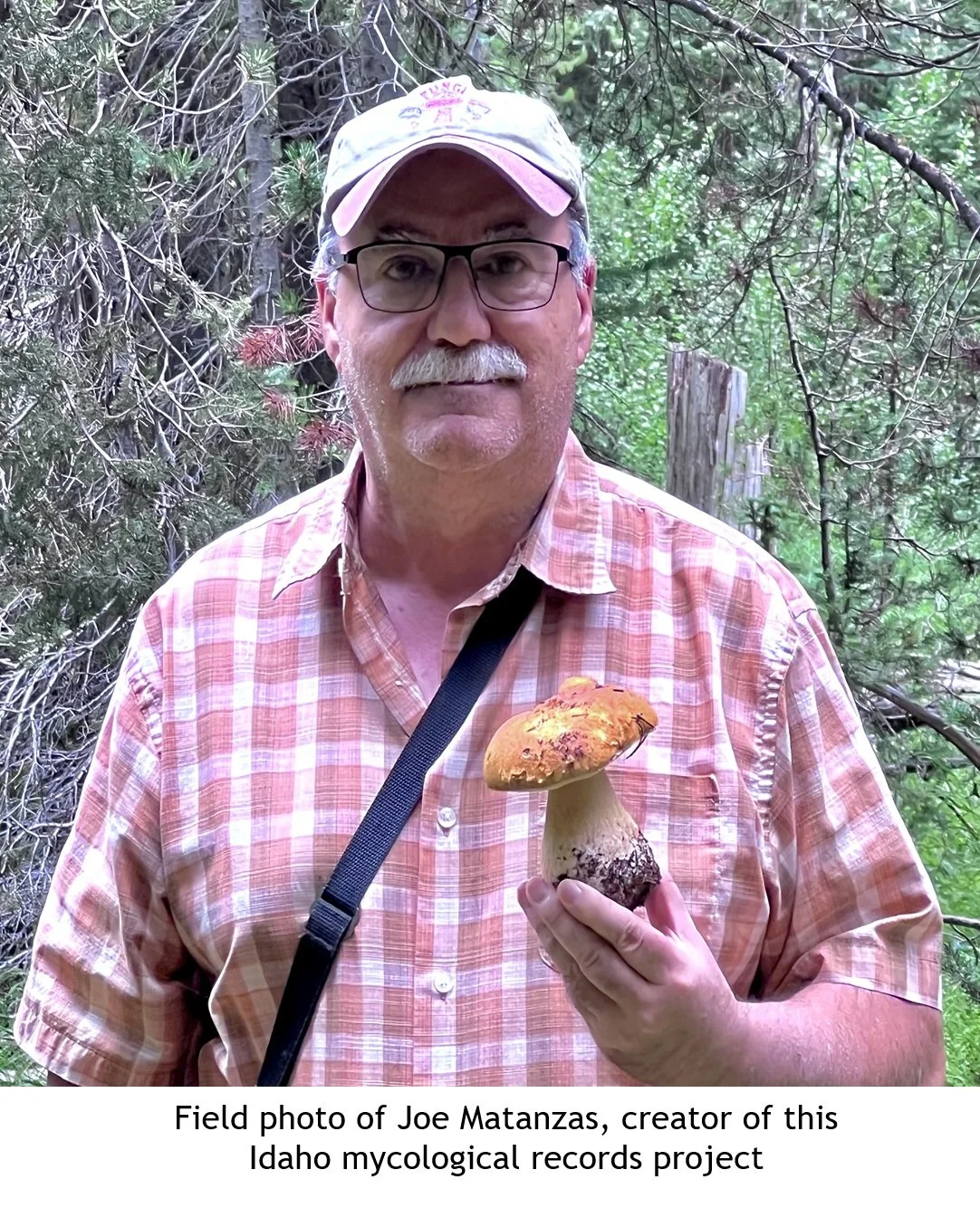
In 2022, at the initiative of Dr. Mickey Myhre, a more systematic phase began through his laboratory (IPL). During its initial stage, Joe Matanzas contributed collections and assisted in establishing early Sanger sequencing workflows. Voucher specimens dated 2020 and later were processed during this period, marking the first sustained integration of molecular data within the Intermountain Idaho framework.
Following this initial stage, sequencing coordination at IPL was overseen by Ed Barge as the laboratory effort expanded and continued under that structure. What began as exploratory work was now becoming an organized regional effort.
During this same period, additional Sanger sequencing was financed independently through Molecular Solutions (Matt Gordon), broadening molecular coverage beyond a single laboratory. These parallel efforts further expanded molecular documentation across the region.
Between 2023 and 2025, methods advanced significantly with the transition to nanopore sequencing technology, greatly increasing throughput and efficiency. Sequencing shifted from IPL to Mycota Lab, and the project moved fully from Sanger to nanopore platforms. Through the iNaturalist projectThe MycoMap Rockies Network and Idaho Fungi from Mycomap, the number of sequenced and vouchered collections increased substantially.
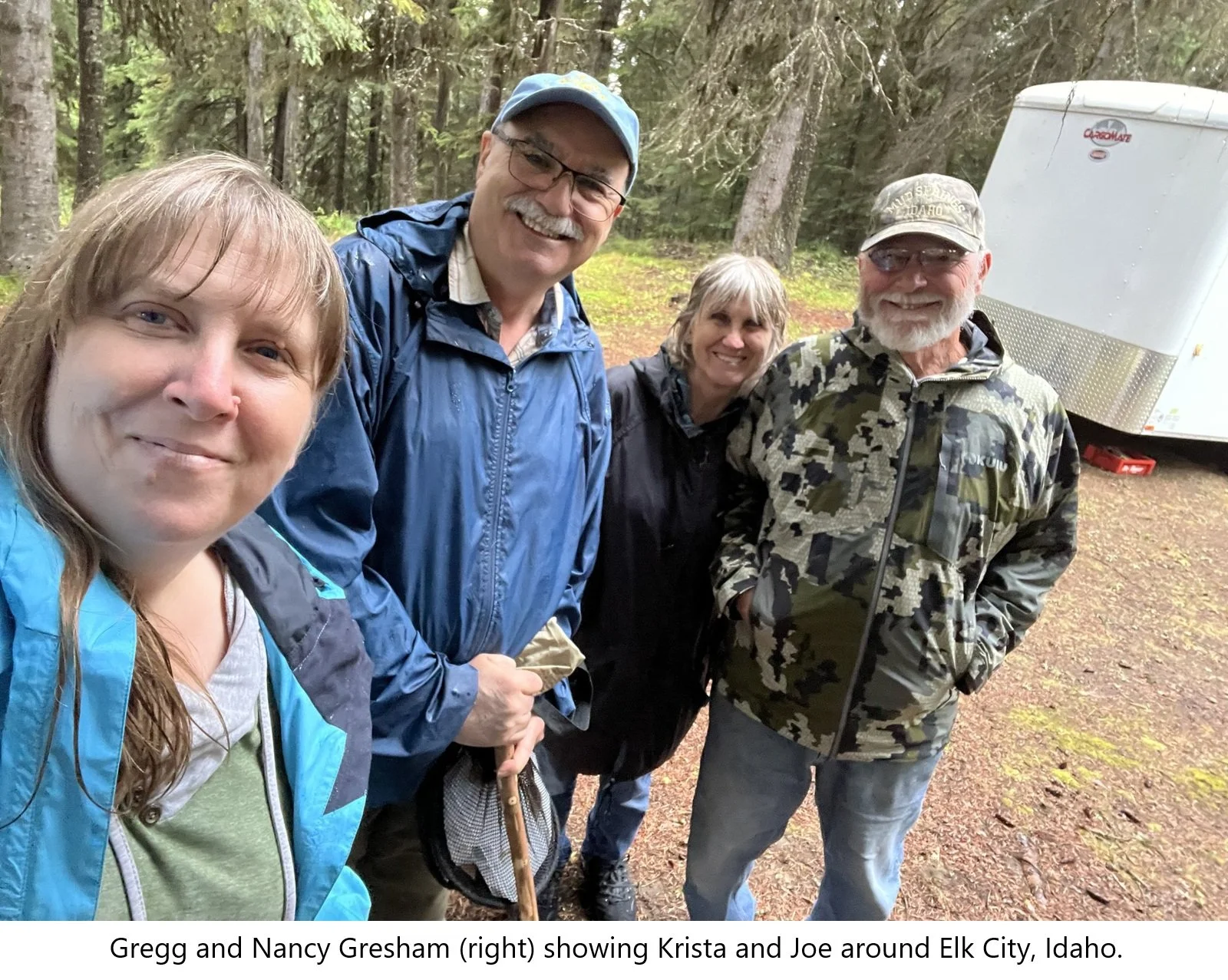
Today, nearly all actively documented collections are preserved as physical vouchers whenever possible. Ed Barge is the leading contributor in voucher volume, followed by Joe Matanzas, with additional meaningful contributions from Krista Willmorth and other regional participants.
Beyond documentation alone, the purpose of this website and its associated reports is to provide clarity, continuity, and practical access. It serves as a working benchmark, helping us see what has already been sequenced, what remains unexplored, and how modern vouchers relate to historical herbarium collections and described types. In this way, contemporary molecular data can be viewed not in isolation, but as part of a longer regional record.
To support transparency and further study, genus-level FASTA files will be made available so others may examine and compare sequence data directly. A dedicated feedback section will invite corrections, updates, and additional information, recognizing that taxonomy is an evolving conversation rather than a fixed conclusion.
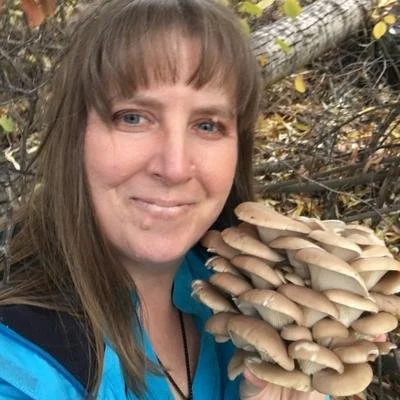
Krista Willmorth, (aka the FunGal Forager), helps with the website and fungal collecting.
By aligning new molecular data with earlier published records, the project aims not only to expand knowledge, but to place current discoveries within the broader historical record of… Fungi of Intermountain Idaho.